

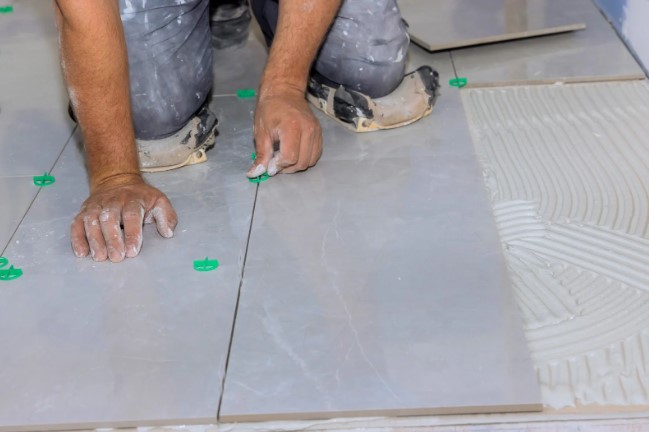
- How Subfloor Conditions Shape Installation Complexity in Tampa Homes
- Tile Selection: Material, Size, and Pattern Impact on Project Difficulty
- Material-Specific Installation Demands
- Size and Pattern Complexity
- Site-Specific Factors: Layout, Room Usage, and Installation Challenges
- Regional and Environmental Conditions Unique to Tampa Bay
- Realistic Expectations and the Value of Professional Assessment
Tile floor installation is a central consideration for Tampa, FL homeowners planning substantial home renovations. The durability, aesthetic versatility, and value-boosting potential of tile floors are unmatched. However, no two installations are ever the same–project complexity can vary significantly based on a range of factors, from subfloor condition to tile material choice. Homeowners who partner with TAMPA BAY FLOORS for tile floor installation tampa benefit from regional expertise and a thorough understanding of these local variables, optimizing both the beauty and the lifespan of their investment.
How Subfloor Conditions Shape Installation Complexity in Tampa Homes
A solid, level subfloor is essential for any tile installation, but Tampa’s unique climate, geological history, and construction types can introduce complications. In older homes, subfloors may have suffered from settling or previous water intrusion, common concerns in Florida with its high humidity and hurricane exposure. Concrete slabs, typical in the region, sometimes reveal cracks or moisture vapor issues that must be addressed before tiles are laid.
Installers must assess not just structural integrity, but also moisture content–a crucial step, as Florida’s frequent rainfall can cause sub-surface dampness. Skipping this assessment may lead to tile adhesive failure or unsightly tile movement over time. In some cases, mitigation steps include installing moisture barriers, repairing cracks, or even raising low spots with leveling compounds. Each additional corrective action increases project timeline, labor intensity, and cost.
Material compatibility also hinges on subfloor conditions. Porcelain and ceramic require rigid, unyielding support, while natural stone demands an even greater degree of preparation. If a home contains a wooden subfloor, installers may need to reinforce it to minimize flex, which can cause tiles to crack. These preliminary steps often represent the dividing line between a flawless tile installation and one plagued by future repairs.
Tile Selection: Material, Size, and Pattern Impact on Project Difficulty
The tile chosen for a project is more than an aesthetic decision; it’s a major determinant of installation complexity. Tampa’s climate encourages homeowners to opt for water-resistant materials, but within that category, options like porcelain, ceramic, glass, and natural stone each present distinct challenges.
Material-Specific Installation Demands
Natural stone tiles, such as travertine or marble, often add significant weight and require special handling and adhesives. Porcelain tiles, prized for their density and water resistance, can be difficult to cut cleanly without advanced equipment. Glass tiles, popular for accent borders and shower walls, call for careful alignment to avoid visible imperfections.
Size and Pattern Complexity
Large-format tiles, now a staple in contemporary design, reduce grout lines and create a seamless look, but perfectly level subfloors are mandatory, as minor irregularities become highly visible. Patterns such as herringbone or chevron, while stylish, demand careful planning and increased precision to ensure consistent spacing across the floor.
Decorative inlays and mosaic inserts add artistic flair, yet each piece must fit flawlessly, often requiring on-site customization. The more intricate the design, the longer and more meticulous the installation process. This is particularly true when tiles are installed diagonally or in multi-material medleys.
Furthermore, the appropriate grout type and spacing play critical roles in both function and longevity, especially in high-moisture areas. For homeowners seeking professional guidance in navigating these choices, TAMPA BAY FLOORS showcases a wide range of options and extensive experience through Tampa Bay professional flooring services tamabayfloors.us empowering homeowners to achieve their vision with seamless execution.
Site-Specific Factors: Layout, Room Usage, and Installation Challenges
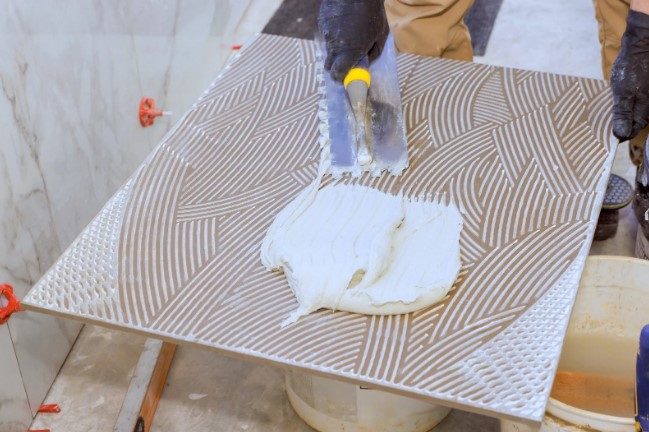
Every renovation site presents unique variables that can tip a tile floor installation project from straightforward to complex. Tampa’s residential architecture, from sprawling ranch homes to compact condos, means installers must account for varying floor plans and room characteristics.
Obstacles such as built-in cabinetry, stairways, or odd room shapes necessitate precise measurements and custom tile cuts. Transition zones–where tile meets carpet, hardwood, or another material–require specialized trim and careful edge treatment to ensure durability and safety.
Rooms with heavy plumbing fixtures or that serve as high-traffic zones, like kitchens and entryways, demand extra consideration for slip resistance and durability. In bathrooms and showers, waterproofing is paramount. Homeowners considering an upgrade in these moisture-prone areas can reference the extensive offerings TAMPA BAY FLOORS provides through https://tampabayfloors.us/services/bathroom-shower https://tampabayfloors.us/services/bathroom-shower to balance style with lasting performance.
Key site-specific factors influencing complexity include:
- Room size and layout irregularities
- Existing floor height variations between adjacent rooms
- Plumbing, heating vents, or electrical outlets in installation path
- Need for waterproof membranes in wet zones
- Difficulty of removing old flooring or adhesives
- Time allowed for demolition and drying steps
Meticulous planning for these factors ensures a functional, attractive result and helps avoid costly mid-project surprises.
Regional and Environmental Conditions Unique to Tampa Bay
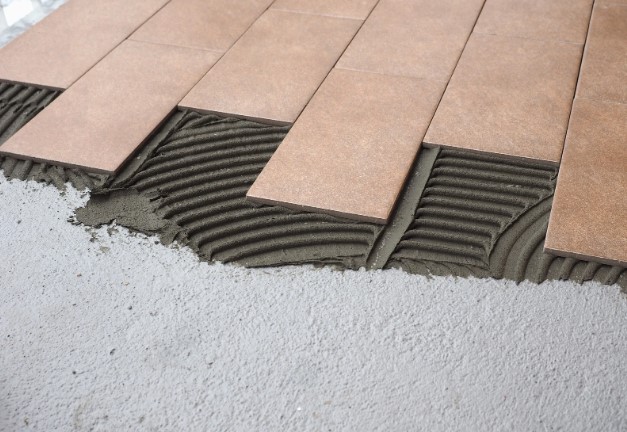
Tampa Bay’s subtropical climate introduces environmental considerations that can complicate tile floor installations. Persistent humidity elevates the risk of mold and mildew, particularly if moisture management is neglected. Hurricane season and occasional flooding add risk, making the use of waterproofing products and vapor barriers not just advisable, but often essential.
Sun exposure also impacts material selection. Porcelain and UV-resistant tiles stand up better to fading and thermal expansion in rooms with large windows or sunrooms. Energy efficiency concerns may lead local homeowners to choose lighter-colored tiles, which reflect heat and keep interiors cooler.
Contractors in Tampa must navigate permitting requirements and local building codes that may influence the choice of adhesive, subfloor preparation methods, and specific installation techniques. These regulations are designed not only to ensure safety but also to account for the region’s unique weather patterns and construction challenges.
Realistic Expectations and the Value of Professional Assessment
While DIY tile installation may seem appealing, the complexity stemming from site, material, and environmental variables often calls for specialized skills and tools. Professional installers can anticipate challenges, propose tailored solutions, and execute the work efficiently, minimizing the risk of costly mistakes.
Consulting with local experts and scheduling an on-site assessment before starting a renovation project ensures a smoother process and a premium result. With regional experience and access to high-quality materials, companies like TAMPA BAY FLOORS offer Tampa homeowners confidence that their new tile floor will stand the test of time and climate.