


Contents:
- Why the Days After a Keratin Treatment Matter
- The Cost of Getting It Wrong
- The Basics: How Keratin Treatments Behave
- The First 72 Hours: A Day-by-Day Guide
- Hour 0: Leaving the Salon
- Day 1: The First 24 Hours
- Day 2: Hours 24 to 48
- Day 3: Hours 48 to 72
- Intermediate Level: Weeks 1 to 4
- Washing Routine
- Conditioning
- Heat Styling
- Water Quality
- Sun, Sea and Swimming
- Regional Differences: Climate Changes the Plan
- Advanced Nuances: Months 2 and 3
- What Fade Looks Like
- Using Protein and Moisture
- Colouring After a Keratin Treatment
- Trimming
- Planning the Next Treatment
- Expert Insight
- A Budget-Friendly Aftercare Kit
- Where to Spend and Where to Save
- A Week-by-Week Calendar for the Three Months
- Adjusting the Routine to Your Hair Type
- Fine Hair
- Thick or Coarse Hair
- Curly and Coily Hair
- Coloured or Bleached Hair
- Travelling and Holidays
- Cost per Month: The Value Calculation
- Myths About Keratin Aftercare
- “You Must Never Wash Your Hair for a Week”
- “Any Sulphate-Free Shampoo Will Do”
- “A Keratin Treatment Damages Hair Permanently”
- “The More Expensive the Product, the Better”
- Troubleshooting Common Aftercare Problems
- The Hair Feels Greasy Within Days
- Frizz Returns After a Few Weeks
- A Crease or Bend Has Appeared
- The Hair Feels Dry or Straw-Like
- The Value of Choosing a Specialist
- A Simple Daily Routine for the First Month
- Morning
- Evening
- On Wash Days
- Reading Ingredient Labels on a Budget
- Using Heat Tools Wisely
- Common Mistakes to Avoid
- Keratin Treatments and Hair Extensions
- Reading the Signs: When to Call the Salon
- Frequently Asked Questions
- How long should I wait to wash my hair after a keratin treatment?
- Can I tie my hair up after a keratin treatment?
- How often should I wash my hair afterwards?
- Can I swim after a keratin treatment?
- Can I colour my hair after a keratin treatment?
- What to Remember After a Keratin Treatment
What actually decides whether a keratin treatment lasts eight weeks or five months: the product, the stylist, or what you do in the days afterwards? The honest answer is all three, but the third is the only one you control once you have left the salon chair. Knowing exactly what to do after a keratin treatment, hour by hour at first and then week by week, can add a month or more to a result that cost you £150 to £400.
This guide sets out the first 72 hours in detail, then follows the hair through the three months that come after. It is written for readers who want good value from the money already spent, so it favours simple habits over expensive products, and explains the reasoning behind each rule so that you can judge for yourself which ones matter most.
Why the Days After a Keratin Treatment Matter
A keratin smoothing treatment works by coating each strand with a keratin-based formula and sealing it with heat from a flat iron. Immediately afterwards, the coating is still settling. The cuticle is lying flat, but the bonds that hold the product in place have not fully stabilised. Water, tension, oils and even a hair clip can distort that smooth surface before it has finished setting.
After the first few days, the main threat changes from distortion to erosion. Every wash, every sun-drenched afternoon and every pass of a hot tool wears away a little of the coating. The aim of aftercare is to slow that wear, so that the treatment lasts as close to its full three to five months as possible.
The Cost of Getting It Wrong
Consider the arithmetic. A treatment costing £250 that lasts five months works out at £50 a month. The same treatment fading at ten weeks costs £100 a month. Aftercare mistakes can easily halve the lifespan, which means the habits in this guide are, in effect, a way of saving £100 or more per treatment.
The Basics: How Keratin Treatments Behave
Understanding a few simple facts makes every later instruction easier to follow.
- The result is temporary. It fades gradually with washing, usually over three to five months.
- It does not change your natural pattern permanently. New growth at the roots will have its normal texture.
- Formulas differ. Some require three days without washing or tying, others allow normal wear after 24 hours. Your stylist’s instructions override general advice.
- Heat sets it; moisture disrupts it early on. That is why the first washing rules exist.
What the Pros Know: Ask the stylist for the exact product name and the manufacturer’s aftercare rules before you leave, and photograph them. Instructions vary more than most people realise, and the written ones from the person who applied it are worth more than any general article, this one included.
The First 72 Hours: A Day-by-Day Guide
Hour 0: Leaving the Salon
Your hair will look polished, but it is vulnerable. Avoid tucking it behind your ears, putting it in a collar or wearing a hat. If it is raining, use an umbrella and a hood that does not touch the hair. Do not run your hands through it repeatedly, since heat and moisture from fingers can leave kinks.
Day 1: The First 24 Hours
- Keep the hair dry. Skip the gym, sauna, steam room and anything that makes you sweat heavily.
- Do not tie, clip or pin. Even a loose band can leave a crease that stays until the next treatment. Wear the hair loose and straight.
- Do not tuck behind the ears. This leaves a bend at the point of contact.
- Sleep on your back, on a clean silk or satin pillowcase. A fresh pillowcase avoids transferring oils and product.
- Avoid touching your face and hair. It sounds trivial, but constant touching bends the hair and adds oil.
Day 2: Hours 24 to 48
Continue the rules above. If your hair needs a slight smoothing, use a clean, dry brush on the lengths, but not hot tools unless the stylist allows them. Avoid applying oils, serums or dry shampoo, since they can interfere with the setting. If the hair feels slightly stiff or heavy, that is normal and will relax once it is washed.
Day 3: Hours 48 to 72
Many stylists allow the first wash at this point. If yours does, use lukewarm water and a sulphate-free, salt-free shampoo made for keratin-treated hair. Apply the shampoo to the scalp only and let it run down the lengths. Condition the mid-lengths and ends, rinse thoroughly and pat dry gently with a microfibre towel. Do not rub.
Dry the hair straight away, either with a hairdryer on a medium setting pointed downwards or by air-drying while keeping it straight. Use a flat iron only if instructed, typically at 160 to 180°C with a heat protectant.
Intermediate Level: Weeks 1 to 4
Washing Routine
Wash two or three times a week at most. Every wash removes a small layer of the smoothing coating, and over-washing is the single largest cause of early fade. Use a sulphate-free, sodium-chloride-free shampoo, which keeps the treatment stable. If your scalp gets greasy faster, use a gentle dry shampoo at the roots, not the lengths.
Conditioning
Use a lightweight conditioner on the mid-lengths and ends after every wash, and a mask once a week. Avoid very heavy, oily masks, which can weigh the hair down and make it look limp.
Heat Styling
You may need less than before. If you do use tools, apply a heat protectant, keep the temperature under 180°C and avoid repeated passes over the same section. Excess heat can degrade the smoothing layer and cause dullness.
Water Quality
Hard water leaves mineral deposits that dull shine and roughen the surface. London tap water is among the hardest in the UK, so a shower filter or a monthly chelating rinse can help preserve the result. It is an inexpensive way to extend the life of the treatment.
Sun, Sea and Swimming
Chlorine, salt water and strong sunlight all accelerate fade. Rinse the hair with fresh water before and after swimming, apply a leave-in conditioner and wear a hat in strong sunshine. If you swim often, consider a swim cap.
Regional Differences: Climate Changes the Plan
Even a smoothing treatment behaves differently depending on where you live. Hair professionals in different parts of the United States describe three distinct patterns, and the lessons apply to anyone in a similar climate.
- Northeast: cold, dry winters and indoor heating dry out the hair and create static. Use richer conditioners, a humidifier and satin-lined hats. The smoothing effect often lasts longer in winter because there is less humidity to fight.
- South: heat and humidity are the main enemies. Moisture in the air can lift the cuticle and cause frizz, so anti-humidity serums and a lighter product routine work best. Wash slightly more often if sweat builds up, using the gentlest shampoo available.
- West Coast: sun, salt and chlorine strip the coating. Use UV protection, rinse after swimming and avoid long exposure to sea water in the first month.
In the UK, the mix of damp weather outdoors and dry heating indoors falls somewhere between the Northeast and the South. A lightweight anti-frizz serum and a regular conditioning habit handle both extremes.
Advanced Nuances: Months 2 and 3
What Fade Looks Like
Fading is gradual. The first signs are slight frizz at the roots and a return of natural wave in humid weather. By week eight, the hair needs a little more styling time. By week twelve, many people notice that the smoothness is mostly gone from the ends. This is normal and does not mean the treatment failed.
Using Protein and Moisture
Keratin-treated hair benefits from a balance of protein and moisture. Too much protein can make it stiff; too little can leave it limp. A light protein treatment once a month, followed by a moisture mask, keeps the hair resilient. Watch for signs: if the hair feels rough and dry, add moisture; if it feels stretchy and mushy, add protein.
Colouring After a Keratin Treatment
Colour affects the treatment and the treatment affects colour. Many stylists recommend colouring before the smoothing, or waiting two to three weeks afterwards. Colouring too soon can cause uneven results and shorten the treatment. If you plan a colour appointment, tell your stylist about the keratin treatment so they can adjust the timing and products.
Trimming
A small trim around week eight keeps the ends tidy and removes any frayed areas. It does not shorten the treatment, and it often makes the hair look smoother.
Planning the Next Treatment
Most people rebook between month three and month five. Spacing treatments at least three months apart avoids product build-up and protects the hair. If you find that the smoothness lasts longer than expected, there is no benefit to rebooking early.
Expert Insight
Priya Nair, a senior stylist with eighteen years of experience in smoothing treatments and a diploma in trichology, describes the most common misunderstanding simply: “People treat the first three days as a nuisance and the next three months as an afterthought. It is the reverse. The first three days protect the result; the next three months are where you earn the value from it, one wash at a time.”
A Budget-Friendly Aftercare Kit
You do not need a shelf of products. A short list covers almost everything.
- Sulphate-free, sodium-chloride-free shampoo: £8 to £25.
- Lightweight conditioner: £6 to £20.
- Weekly mask: £8 to £25.
- Heat protectant: £6 to £18.
- Silk or satin pillowcase: £10 to £30.
- Microfibre towel: £5 to £12.
- Shower filter (optional): £15 to £40.
A basic kit costs roughly £45 to £120 and will last the full three months. Spend the money on shampoo first, since it has the greatest effect on how long the treatment lasts. Cheap products with sulphates can shorten the result by weeks, so a £20 shampoo is usually better value than a £6 one.
Where to Spend and Where to Save
- Spend: shampoo, heat protectant.
- Save: serums, styling products, expensive masks.
- Skip: clarifying shampoos, salt sprays and anything that strips the coating.
A Week-by-Week Calendar for the Three Months
A simple timetable makes the routine easier to follow and helps you spot when something is going wrong.
- Days 1 to 3: no water, no tying, no tucking. Sleep on satin.
- Days 4 to 7: first wash with a sulphate-free shampoo. Straight blow-dry or air-dry. No heavy products.
- Weeks 2 to 3: normal routine, two or three washes a week. Introduce a weekly mask.
- Week 4: assess the result. Take a photo for comparison later.
- Weeks 5 to 8: peak smoothness for many people. Protect against heat, sun and chlorine. Consider a trim around week eight.
- Weeks 9 to 12: gradual fade. Frizz returns at the roots first. Use anti-frizz serum and plan the next appointment if needed.
- After week 12: decide whether to rebook, extend with careful care, or give the hair a rest.
Adjusting the Routine to Your Hair Type
Fine Hair
Fine hair can look flat and greasy faster after a treatment because the coating adds a little weight. Use lightweight conditioners, concentrate them on the ends and wash slightly more often if needed, keeping to sulphate-free products. Avoid heavy oils.
Thick or Coarse Hair
Thick hair usually holds the effect longer but can feel dry. Use a richer conditioner and a weekly mask. Keep heat tools below 180°C, since coarse hair tolerates more but still loses the coating with excess heat.
Curly and Coily Hair
The treatment loosens the curl rather than straightening it completely. New growth will come in with the natural pattern, creating a two-texture effect at the roots. Be gentle when detangling, and consider a trim when the difference becomes obvious. Moisture matters more than ever, so use a leave-in cream and avoid dry brushing.
Coloured or Bleached Hair
Lightened hair is more porous and may fade the treatment faster. Use protein-balanced conditioners and avoid hot water. A bond-building treatment before the smoothing, if the stylist recommends it, can help.
Travelling and Holidays
Holidays are a classic test of aftercare. A few precautions keep the result intact.
- Pack your own shampoo and conditioner. Hotel products often contain sulphates.
- Rinse chlorine or sea water out as soon as possible.
- Wear a hat or use a UV spray on sunny days.
- Avoid sleeping on rough hotel pillowcases. Take a satin pillowcase or scarf.
- Book your treatment at least two weeks before travel, not the day before, so the hair has settled and you have already completed the first wash.
Cost per Month: The Value Calculation
Budget-conscious readers benefit from a clear comparison. The following examples use London price ranges for medium-length hair and typical lifespans.
- Treatment £180, lasts 8 weeks: about £90 a month.
- Treatment £250, lasts 12 weeks: about £83 a month.
- Treatment £250, lasts 16 weeks with good aftercare: about £62 a month.
- Treatment £350, lasts 20 weeks with good aftercare: about £70 a month.
These are illustrative figures, not quotes, but they show the principle. The cheapest treatment is not always the best value, and good aftercare consistently lowers the monthly cost. Add the aftercare kit of £45 to £120, spread across the first year, and the total remains modest compared with the saving in styling time and repeat treatments.
Myths About Keratin Aftercare
“You Must Never Wash Your Hair for a Week”
This was true for older formulas. Many modern treatments require only 48 to 72 hours, and some allow washing after 24. A week without washing is unnecessary for most people and uncomfortable for some.
“Any Sulphate-Free Shampoo Will Do”
Sulphate-free is a good start, but sodium chloride (salt) in shampoo can also strip the treatment. Look for products labelled as safe for keratin-treated hair, and read the ingredients.
“A Keratin Treatment Damages Hair Permanently”
When applied correctly and maintained, the treatment sits on the hair and fades. Damage tends to result from excess heat, poor technique or neglect. The right aftercare reduces the risk.
“The More Expensive the Product, the Better”
Price is a weak guide. A well-chosen £15 shampoo can do the same job as a £40 one. Ingredients and suitability matter more than the label.
Troubleshooting Common Aftercare Problems
The Hair Feels Greasy Within Days
Fine hair and a coated surface can look oily quickly. Wash on schedule with a gentle shampoo, avoid heavy conditioners at the roots and use dry shampoo sparingly.
Frizz Returns After a Few Weeks
Check humidity, shampoo ingredients and heat habits. A light anti-frizz serum helps, and so does reducing the number of washes.
A Crease or Bend Has Appeared
If caused by tying or clipping in the first 72 hours, it may need a flat iron at low heat. Check with your stylist first, who might offer a free touch-up.
The Hair Feels Dry or Straw-Like
This is a sign of too much heat or insufficient moisture. Use a deep conditioning mask and avoid heat for a week. If dryness persists, speak to your stylist.
The Value of Choosing a Specialist
The quality of the application affects everything that follows. Even coverage, correct heat and careful rinsing produce a result that fades evenly and lasts longer. A rushed or uneven application can fade in patches, no matter how well you look after it. A specialist team takes time over each section and explains the aftercare in detail.
At Ivana Farisei, the aftercare briefing is part of the appointment, not an afterthought, and the instructions are written down so that you do not have to rely on memory. The team also explains how the treatment interacts with extensions, colour and heat styling, which is the kind of information that rarely appears on a price list. For budget-conscious clients, this is where much of the value lies: a good briefing costs nothing, yet it can add weeks to the life of the treatment.
When comparing salons, ask each one what aftercare instructions they provide and whether they offer a correction window if the result is uneven. A confident answer and a written policy are signs of a service that stands behind its work. Ivana Farisei publishes its policies openly, which makes comparison straightforward.
A Simple Daily Routine for the First Month
Habits are easier to keep when they are written down. This routine takes less than ten minutes on a normal day.
Morning
- Shake the hair out gently with your fingers, or use a clean, soft brush on the lengths.
- Apply a pea-sized amount of lightweight anti-frizz serum to the ends if the weather is humid.
- Style without heat where possible. If you must, use a heat protectant and a low setting.
- Wear the hair loose, or use a soft scrunchie after the first 72 hours.
Evening
- Brush gently from the ends upwards to remove tangles.
- Braid loosely or leave the hair loose on a satin pillowcase.
- Never go to bed with wet hair, since damp hair frizzes and creases as it dries.
On Wash Days
- Rinse with lukewarm water for a full minute before applying shampoo.
- Shampoo the scalp only, using fingertips.
- Condition the lengths, leave for three minutes, and rinse with cool water.
- Blot with a microfibre towel and apply leave-in conditioner.
- Dry on a medium setting, pointing the airflow down the hair shaft.
Reading Ingredient Labels on a Budget
Shopping for aftercare can feel overwhelming, but a few ingredients make the difference. A quick scan of the label saves money and prevents damage.
- Avoid: sodium lauryl sulphate, sodium laureth sulphate, sodium chloride high on the list, and heavy drying alcohols.
- Look for: glycerin, panthenol, hydrolysed keratin or silk protein in small amounts, aloe and plant oils.
- Be careful with: clarifying shampoos, which strip the coating, and protein-heavy masks used too frequently.
A useful trick is to compare the first five ingredients of a cheap product and a premium one. If they are similar, the extra price is mostly marketing. Own-brand and supermarket ranges now include sulphate-free options that perform well, and trying one for a single wash is an inexpensive test.
Using Heat Tools Wisely
Heat is unavoidable for many people, so it is better to use it well.
- Always apply a heat protectant to damp or dry hair before using a tool.
- Keep flat irons between 150 and 180°C. Higher settings rarely improve the result and often damage the coating.
- Pass the iron over each section once or twice, not repeatedly.
- Let the hair cool before touching or tying it.
- Replace worn tools with ceramic or tourmaline plates, which distribute heat evenly.
The hair often needs less heat after a smoothing treatment, and the time saved is one of the main benefits. Ivana Farisei clients are encouraged to keep a log of how many minutes their routine takes before and after, which makes the value of the treatment easy to see over time.
Common Mistakes to Avoid
- Tying the hair up in the first 72 hours. The crease can last for weeks.
- Washing too soon. Early moisture can break down the smoothing before it sets.
- Using the wrong shampoo. Sulphates and sodium chloride accelerate fade.
- Over-washing. Three to four washes a week is plenty for most people.
- Heavy heat. High temperatures degrade the coating and dry the hair.
- Swimming without protection. Chlorine and salt strip the treatment quickly.
- Colouring too soon. It can lead to uneven results.
- Ignoring the salon’s instructions. Formulas differ, and the written instructions are the ones to follow.
Keratin Treatments and Hair Extensions
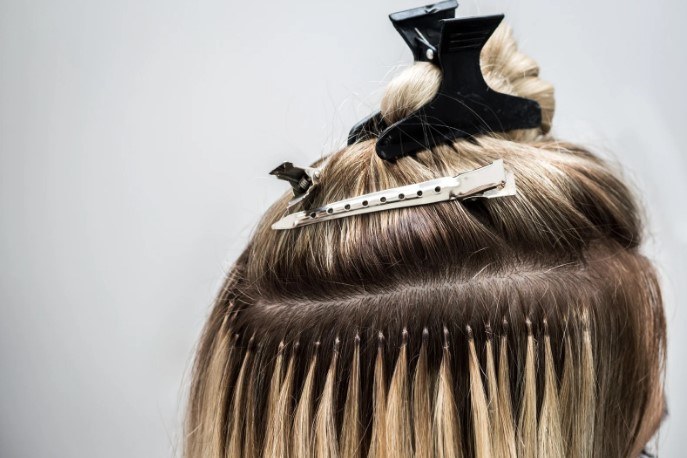
The word keratin appears in two quite different services, and confusing them causes expensive mistakes. A keratin smoothing treatment coats and smooths your own hair. Keratin bond extensions attach additional strands to your hair with small keratin tips. If you wear bonded extensions, smoothing products and the heat used to seal them can soften the bonds and cause slipping.
For that reason, anyone with extensions should speak to their extension specialist before booking a smoothing treatment, and plan the two services so that they do not overlap. Ivana Farisei, which works with both, advises scheduling the smoothing around a refit and keeping the product away from the bonds. If you are planning a keratin treatment in london by Ivana Farisei, mention any extensions at the consultation so the plan can be adjusted from the start.
Reading the Signs: When to Call the Salon
- Persistent scalp irritation, redness or burning after the treatment.
- Hair that feels brittle, straw-like or breaks when brushed.
- Patchy results, where some sections are smooth and others frizzy.
- Strong chemical smell lasting more than a day or two after the first wash.
- A noticeable crease or bend that does not relax after washing.
Salons with a good reputation offer a free correction within a set window, often one to two weeks. Check the policy before you book, and take a photograph of any problem as soon as you notice it. Information about what is included is usually published on the site, and it is worth reading before the first appointment.
Frequently Asked Questions
How long should I wait to wash my hair after a keratin treatment?
Typically 48 to 72 hours, depending on the formula. Some modern treatments allow washing after 24 hours. Follow your stylist’s instructions.
Can I tie my hair up after a keratin treatment?
Not in the first 72 hours. After that, use a soft scrunchie and avoid tight styles that leave creases.
How often should I wash my hair afterwards?
Two to three times a week is ideal. Washing every day shortens the lifespan of the treatment.
Can I swim after a keratin treatment?
After the first 72 hours, yes, but chlorine and salt water cause early fade. Rinse before and after, use a leave-in conditioner and consider a cap.
Can I colour my hair after a keratin treatment?
Wait at least two to three weeks, and tell your colourist about the treatment. Colouring beforehand is often better.
What to Remember After a Keratin Treatment
After a keratin treatment, the work divides into two phases. In the first 72 hours, protect the setting: keep the hair dry, loose and untouched. Over the next three months, protect the coating: wash less, use gentle products, shield against heat, sun and chlorine, and keep the colour timing in mind. Together these habits cost very little and can easily double the value of the original treatment.
Keep the stylist’s written instructions, buy a good shampoo before anything else, and book the next appointment only when the smoothness has truly faded. That is the cheapest way to keep smooth hair.